
Do Exosomes Work? My Honest Review of the Medicube Exosome Shot.
Curious about exosomes in topical skincare? I get into the science, the hype, and my non-sponsored experience using Medicube’s viral One Day Exosome Shot for a month.
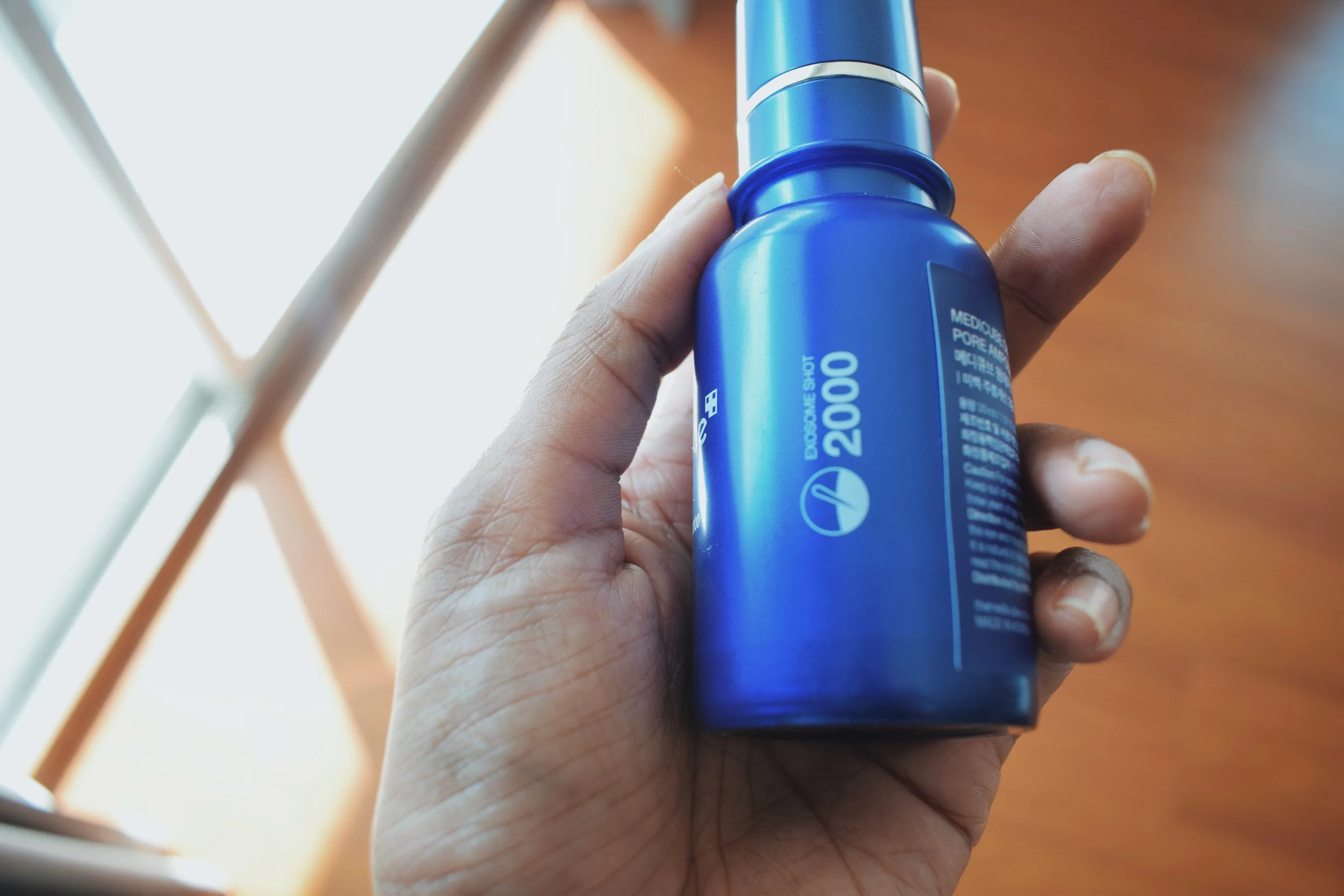
As someone who makes it her business to keep up with (and often, debunk) the latest skincare trends, I've noticed something interesting. The skincare world seems to be on a mission to bottle up the benefits of aesthetic treatments. We’ve seen it recently with growth factors, PDRN, and now—exosomes. All originally used in injectables or microneedling before becoming part of mainstream skincare.
The appeal is obvious: if we can get clinic-like results at home, at a fraction of the price, who wouldn’t want that? But here’s the real question: do they actually work in skincare the same way they do when injected?
I've already done a breakdown of PDRN and growth factors (spoiler alert: they both underwhelmed slightly), so now it's the turn of exosomes. I dug into the research and tried this ingredient for myself using the ultra hyped Medicube One Day Exosome Shot for a month. Here’s what I found.
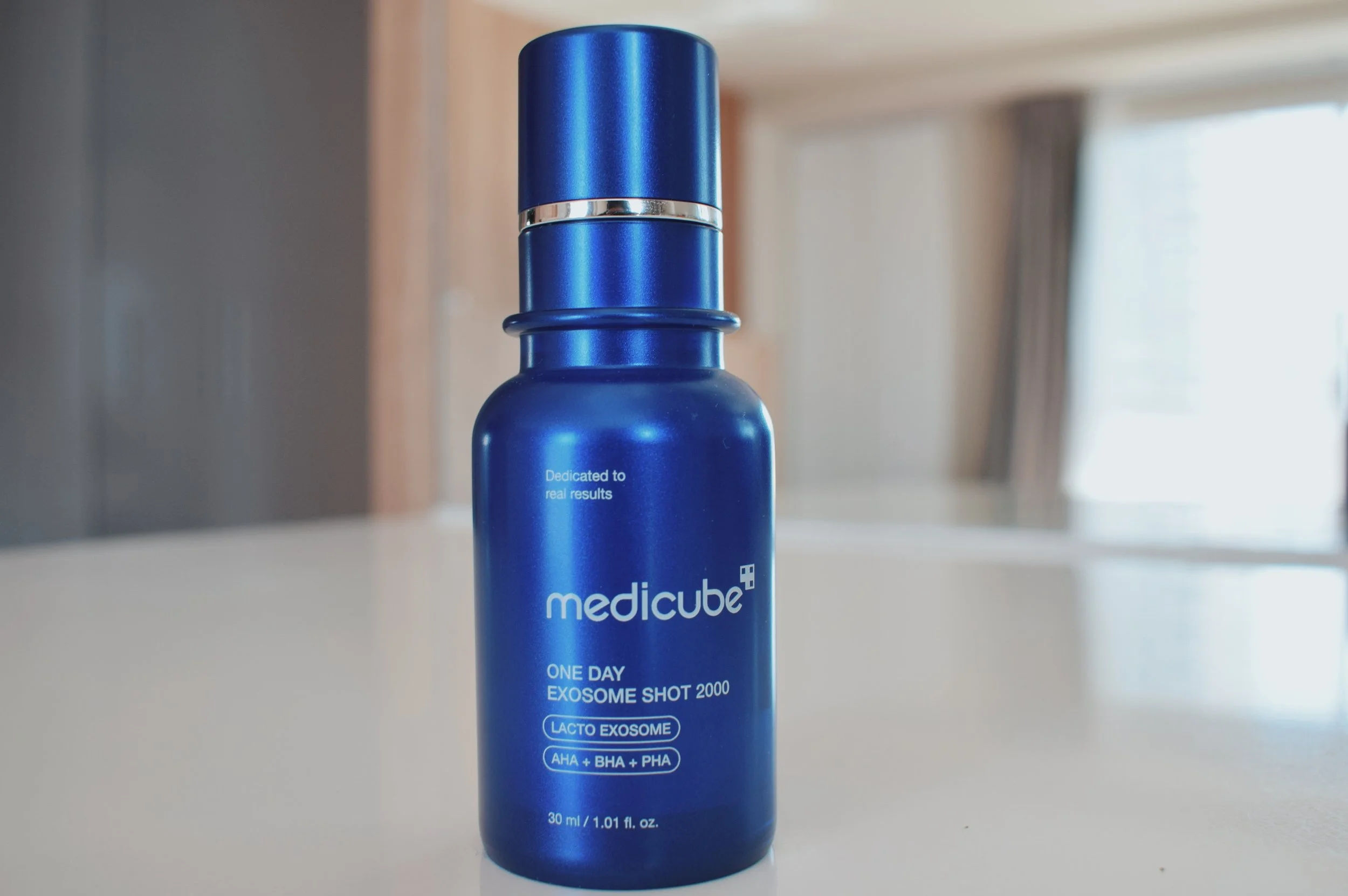
What Are Exosomes?
If you’re looking for a scientific definition, you’re in the wrong place. I’m not a scientist (nor have I ever claimed to be one), but after doing my research, here’s an attempt at a simple explanation.
Basically, exosomes are tiny messengers that are formed inside cells, and contain some of the proteins, lipids, DNA, and RNA, of the cell. The cell releases them into the bloodstream to help it talk to other cells. Think of exosomes as the skin’s internal chat app—one cell sends a message, another reads it and responds. Pretty cool, right?
How Exosomes May Work in Skincare
In theory, exosomes could tell your cells to:
Help the skin repair itself
Heal wounds and acne scars
Boost collagen production
Calm inflammation
But of course, when something sounds too good to be true, there's always a catch. And with exosomes, we've got multiple catches.
Unfortunately, not all exosomes are created equal. Their effectiveness really depends on where they come from (some are human-derived from stem cells or platelets, while others are derived from plant-based sources), how they’re processed, and—most importantly—whether they can actually make it through the skin barrier in the first place.
And that’s where things get a little murky.
What the Research Says (and Doesn’t)
Let’s start with the good news: A few (and I mean, really few) studies have suggested that exosomes can help wounds heal faster, boost collagen, and calm inflammation—BUT (and this is a big ‘but’) these results are usually achieved by combining exosomes with in-clinic treatments, like microneedling or lasers, that help them go deeper into the skin.
We still don’t really know how well exosomes work in regular over-the-counter skincare, and the research around it is all inconclusive. The skin barrier is stubborn, and so far, there’s not much proof that a serum can deliver the same results you’d get from something injected at a clinic.
A few more reasons I’m skeptical are:
There’s no clear standard for what counts as an “exosome” product. Brands can use the term pretty loosely.
Transparency is lacking—brands rarely disclose how much exosome content their formulas contain or even where they come from.
Human or plant-derived: Early research hints that human-derived versions might be more active and better at stimulating repair, but the ethics around human-derived formulas are, well,…questionable
Overall, like many trendy skincare ingredients, the science hasn't caught up with the hype yet. So, the only way for me to get a conclusive answer about exosomes, was to try them for myself.
My Honest Review of the Medicube One Day Exosome Shot
When I decided to use my own skin as the guinea pig and try exosomes for myself, I knew it had to be with the most viral and popular exosome product on the market, a social media favorite: Medicube's One Day Exosome Shot.
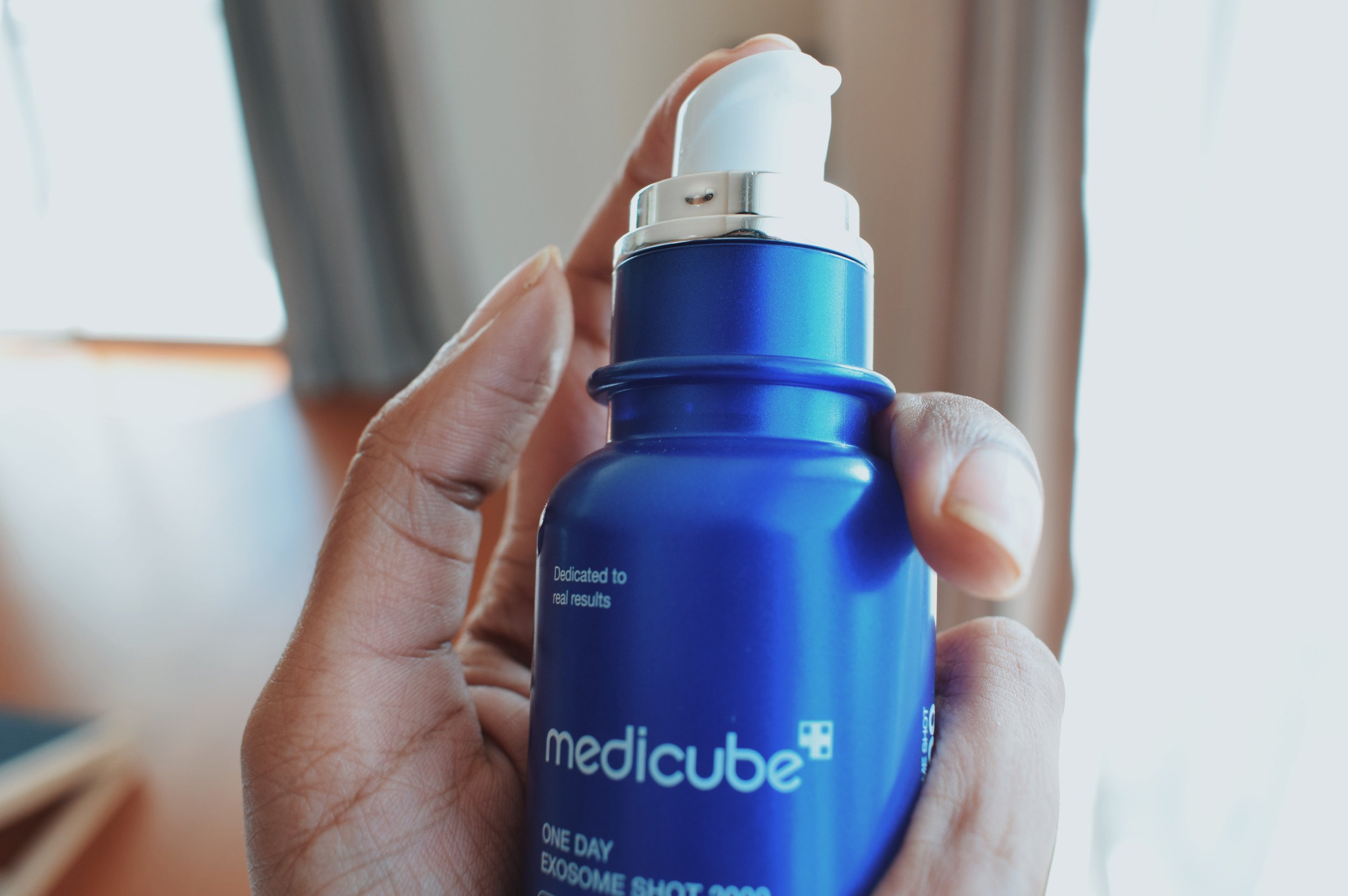
What's in the Medicube One Day Exosome Shot?
This Kbeauty viral sensation combines 2 relatively new, innovative (ahem, and largely untested) skincare technologies: exosomes and spicules. The key ingredients in this product are:
Lacto Exosomes
Medicube uses a patented lactobacillus derived exosome (remember what I said about sources not being standardized?), which they claim contains a blend of active ingredients including peptides, amino acids, glutathione, and vitamins.
Spicules
Microscopic needle like structures derived from marine sponges that help boost the penetration of actives. Often referred to as "liquid microneedling", this is the same tingling technology used in popular products like the VT Reedle Shot. Medicube's Exosome Shot comes in 2 strengths—2000 and 7500—depending on the spicule concentration.
AHA / BHA / PHA blend
Mostly in the form of fruit enzymes, these seem to be in low enough concentrations to exfoliate pretty gently.
Other Ingredients
Glycerin & Panthenol for hydration, Niacinamide for oil and acne control
In short, aside from the exosome-coated spicules, there isn't anything particularly special about this formula. Which suited me just fine, because that's what I was here to test anyway.
How to Use It
As with any potentially sensitizing skincare, it's always better to take a cautious approach. Here's what I recommend:
If you're new to spicules, definitely start with the 2000 shot. Patch test on your hand before going in with the product on your face.
Use the Exosome Shot at night, two to three times a week
I like to apply it straight after cleansing (which is also how the brand recommends using it for best results), but if you have very sensitive skin, go in with a hydrating toner first
Follow it up with more barrier-friendly products before finishing with a moisturizer
Skip any other strong actives (like retinoids or exfoliating acids) on the same night
The Results
After using the Medicube Exosome Shot for a little over a month, about 3 nights a week, I think I’m ready to deliver a verdict.
Let’s start with the positives. Overall, I have noticed my skin texture looking a little smoother—nothing major, but enough to make me glance in the mirror and think, “okay, maybe this is doing something”. Makeup seems to glide on a bit easier, and my skin feels just a touch more refined. Mind you, I was getting a similar effect from the VT reedle shot as well, which makes me wonder if the textural improvements are being provided by the spicules (and the blend of exfoliants) rather than the exosomes.
As for the other claimed benefits around improved collagen production? Nope, that’s not happening. Calming inflammation? Strike 2 on that one. Brightening? Strike 3.
My brutally honest opinion of this product is that it’s a pretty good, and fairly gentle exfoliator that will help even out light skin texture, but the exosomes aren’t contributing much to the formula other than providing some good hydration. I might use this product occasionally if I feel like I need my skin smoothed out, but it hasn’t earned a permanent spot in my routine.
The Verdict: Should You Try Exosome Skincare?
Exosomes are undeniably fascinating. Their regenerative potential in medicine is huge. But when it comes to topical skincare, I’m not convinced. Until we have more evidence that exosomes can survive formulation, stay stable, and actually reach target cells through the skin, I’d treat them as an interesting bonus—not an essential step.
At this point, I still think your money might be better spent on proven, well-researched ingredients like retinoids, azelaic acid, or vitamin C. But if you’re a skincare enthusiast who loves experimenting and you can afford the splurge, exosome products like Medicube’s can be a fun (if not revolutionary) addition.
As for me? I’ll keep an eye on the research—but I’m not rearranging my skincare shelf just yet.

About The Skinimalist
Hi, I’m Mal, a 30-something recovering skincare addict, and this is my blog. A space where I attempt to de-influence you from chasing trends and buying more skincare products you may not need.
Related Posts:


I tested Eucerin's Thiamidol serum for a month. Here's what the science says about this patented ingredient for hyperpigmentation, plus my honest experience fading post-acne marks.